
Sewer Line Repair in Castle Rock, CO |
Non-Invasive Trenchless Solutions
Recurring sewage backups, soggy patches in your front lawn, or foul sewer gas odors around your property indicate a compromised underground mainline. Traditional sewer replacement used to mean tearing up mature landscaping, destroying concrete driveways, and creating massive trenches across your property. Castle Rock Rooters utilizes modern trenchless pipe bursting and epoxy slip-lining to install brand-new, seamless, root-proof sewer pipes with only two small access points, saving your yard and thousands in reconstruction costs.
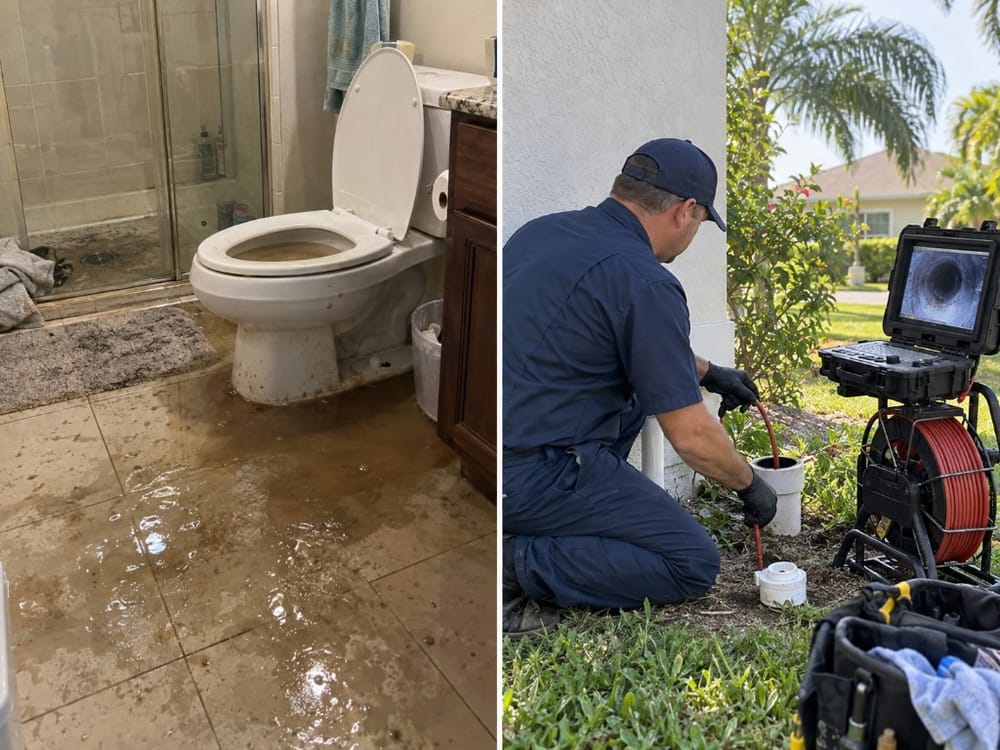
Signs of a Cracked, Collapsed, or Root-Choked Sewer Pipe
Because sewer laterals are buried 4 to 8 feet underground, damage often goes unnoticed until catastrophic sewage backups occur. Homeowners should look for these key indicators:
Multiple Fixture Backups & Surges
Flushing a toilet causes dirty water to bubble up into your bathtub or shower drain, indicating wastewater cannot pass into the city main.
Sewer Gas & Methane Odors
Persistent rotten egg or methane smells in bathrooms or around your exterior foundation indicate cracked pipe walls or separated joints.
Lush Green Patches & Soggy Lawn
Raw sewage leaking underground acts as continuous liquid fertilizer, creating localized bright green patches or muddy indentations in your lawn.
Gurgling Fixtures & Drain Traps
Gurgling sounds from sinks and toilets occur when wastewater is forced past an underground blockage, pulling air through plumbing traps.
Whole-House Sluggish Drainage
When a single sink is slow, it is an isolated clog. When every sink, tub, and laundry drain is sluggish, the main sewer line is obstructed.
Sunken Pavers & Foundation Settlement
Severe ongoing underground sewer leaks wash away the supporting soil bed, leading to cracked walkways, sinking patio pavers, and slab movement.
Choosing the Right Sewer Solution: Spot Repair, Trenchless, or Excavation
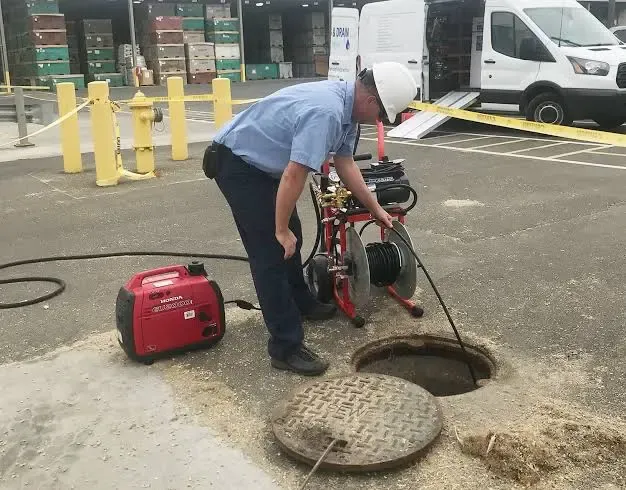
Castle Rock Rooters never pushes full replacement when a targeted fix will solve the problem. Our technicians feed an HD digital camera down your line first to show you the interior condition of your pipe on screen before recommending the ideal path forward:
Option 1: Spot Repair
When it makes sense: The rest of your sewer lateral is structurally sound, but a single root intrusion or isolated crack exists at a specific joint.
Option 2: Pipe Bursting (Most Popular)
When it makes sense: The old clay or cast-iron line is severely fractured, missing pipe bottom, or crushed, but runs under landscaping or driveways.
Option 3: Epoxy Slip-Lining (CIPP)
When it makes sense: The existing pipe has root leaks or hairline cracks, but still maintains its round structural shape without total collapses.
Option 4: Open Trench
When it makes sense: The existing line has suffered a complete structural collapse, severe pipe belly (sag), or incorrect backward slope.
We Follow the Process
Replace your failing underground sewer line in 1 to 2 days without turning your front yard into a construction trench:

HD Video Camera Mapping
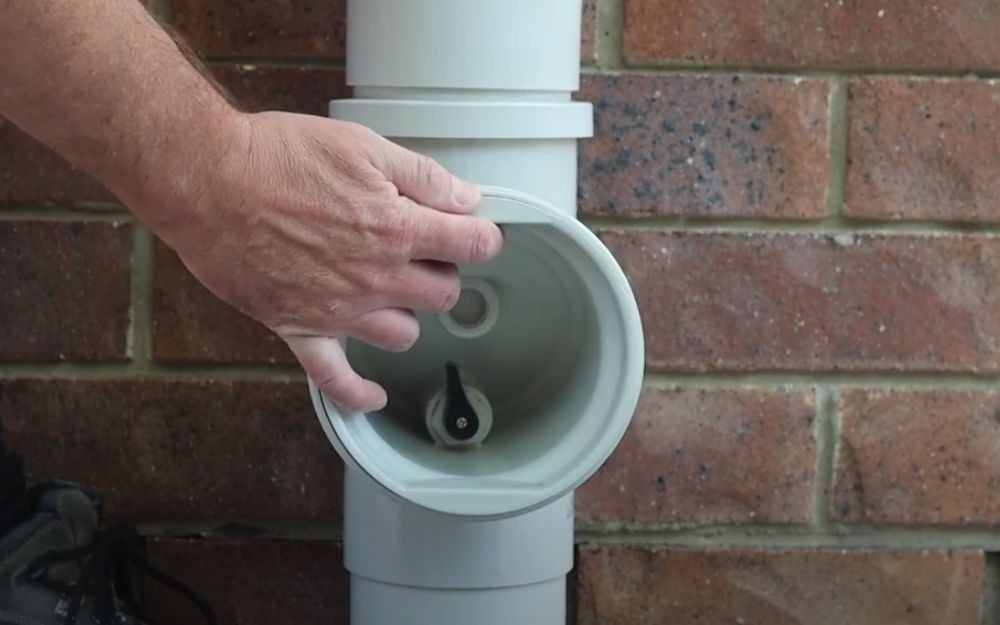
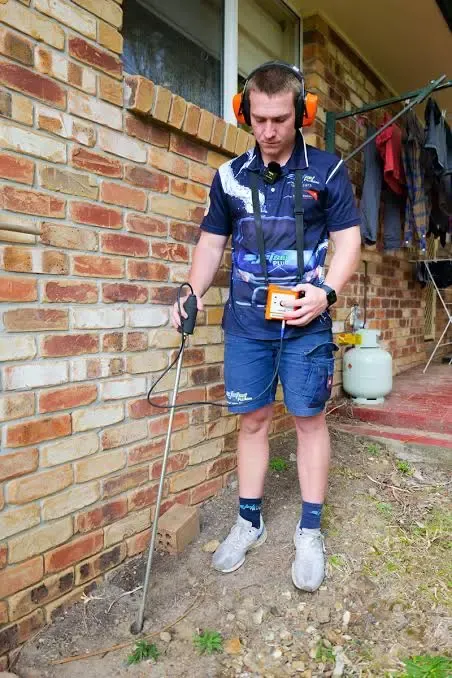
We insert a digital camera with a built-in radio transmitter through your cleanout to map pipe depth, pinpoint breaks, and assess host pipe condition.

Strategic Small Access Points
Instead of digging a 60-foot trench across your lawn, our crew digs two small access holes, one where the pipe exits the house and one at the city connection.

Hydraulic Pipe Bursting Pull
A hardened cone expander head is pulled through the old clay or cast-iron line, fracturing it outward while simultaneously pulling a seamless HDPE pipe into its place.

City Tie-In & Flow Certification
We fuse the new root-proof pipe into your municipal city sewer connection, perform final flow testing, and handle all Douglas County inspections.
How CIPP Epoxy Relining Works (When the Host Pipe is Structurally Intact)
When your old clay or cast-iron pipe has joint leaks or root invasion but hasn't fully collapsed, CIPP (Cured-In-Place Pipe) slip-lining avoids digging altogether:
We use 4000 PSI hydro jetting to blast away mineral crust, roots, and loose scale, restoring the host pipe to its full interior diameter.
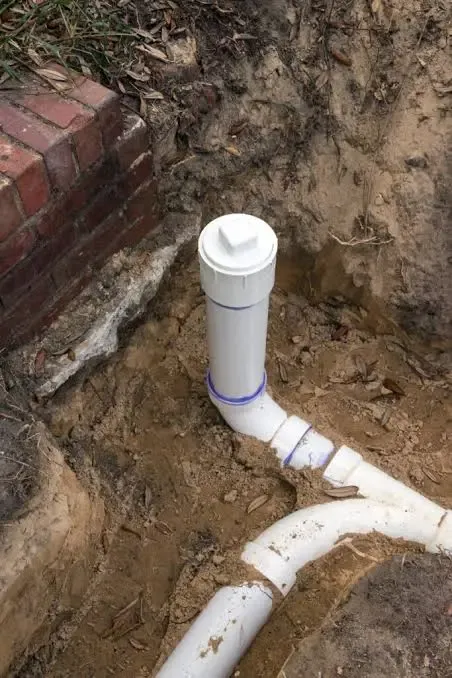
A flexible liner saturated in commercial epoxy resin is air-inverted directly into the pipe through an exterior cleanout.
The resin cures in place to form a smooth, glass-like inner sleeve with zero seams, sealing all cracks and barring future root entry.
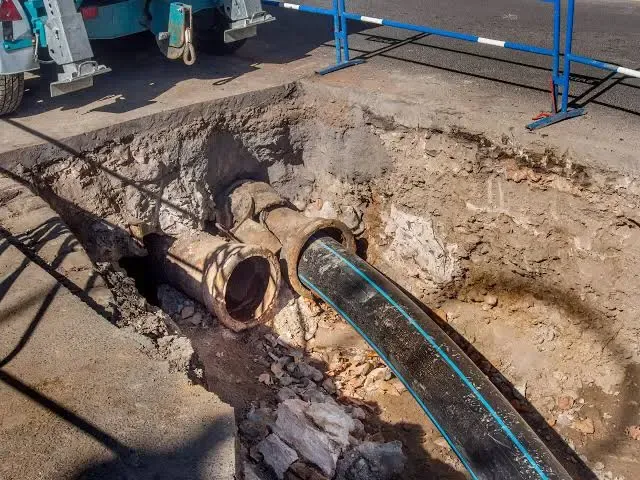
Reasons of sewer line damage in Castle Rock, CO
Underground sewer lateral lines face extreme underground stresses across the Douglas County. Here are the primary reasons of sewer line damage in Castle Rock, CO:
1. Aggressive Tree Root Intrusion
During Castle Rock's hot, dry summers, mature shade trees, especially ash trees, the very species Castle Rock is named for, along with oak and other established landscaping, actively seek out underground moisture. Roots detect tiny hairline vapor leaks at pipe joints, enter the line, and expand rapidly into dense root balls that crack clay tiles and trap solid waste.
2. Expansive Clay Soils & Shifting
Castle Rock's native clay-heavy soils swell significantly during rainy winter months and shrink into hard, dry subterranean cracks during triple-digit valley summers. This continuous seasonal ground movement exerts tremendous shearing force on rigid cast iron and clay pipes, resulting in offset joints and sheared laterals.
3. Aging Clay & Corroded Cast Iron
Homes in historic neighborhoods like the Tower District, Old Fig Garden, and Castle Rock High often rely on original clay tile or cast-iron lines installed 50 to 80 years ago. Cast iron corrodes and forms channel rust on the pipe bottom, while mortar between clay segments crumbles with age.
4. Grease & Hard Mineral Scale
High calcium groundwater in Castle Rock binds with kitchen cooking oils and fats, solidifying along the pipe perimeter over years. This calcified crust constricts the pipe diameter and causes water to back up, requiring hydro jetting or line relining.
Frequently Asked Questions
about Sewer Line Repair in Castle Rock, CO
Got questions about sewer repair and trenchless replacement? Here are common inquiries we receive from Castle Rock and Castle Pines homeowners.
+1 (983) 200-5527The most definitive sign of a main sewer line issue is multiple plumbing fixtures backing up simultaneously. For example, if flushing a toilet causes wastewater or bubbles to emerge in your bathtub or shower drain, the blockage is in the main sewer lateral rather than an isolated fixture trap. Persistent gurgling sounds from multiple drains and foul sewer gas odors also indicate mainline involvement.
Find Plumbing Service Near You in Castle Rock, CO
Castle Rock Rooters delivers rapid, licensed plumbing and rooter services across Castle Rock and Douglas County. Check our primary neighborhood coverage:
Stop Recurring Sewer Backups Today
Speak directly with Castle Rock Rooters sewer specialists for an in-person camera diagnostic and honest trenchless options.
Call +1 (983) 200-5527 for Free Assessment